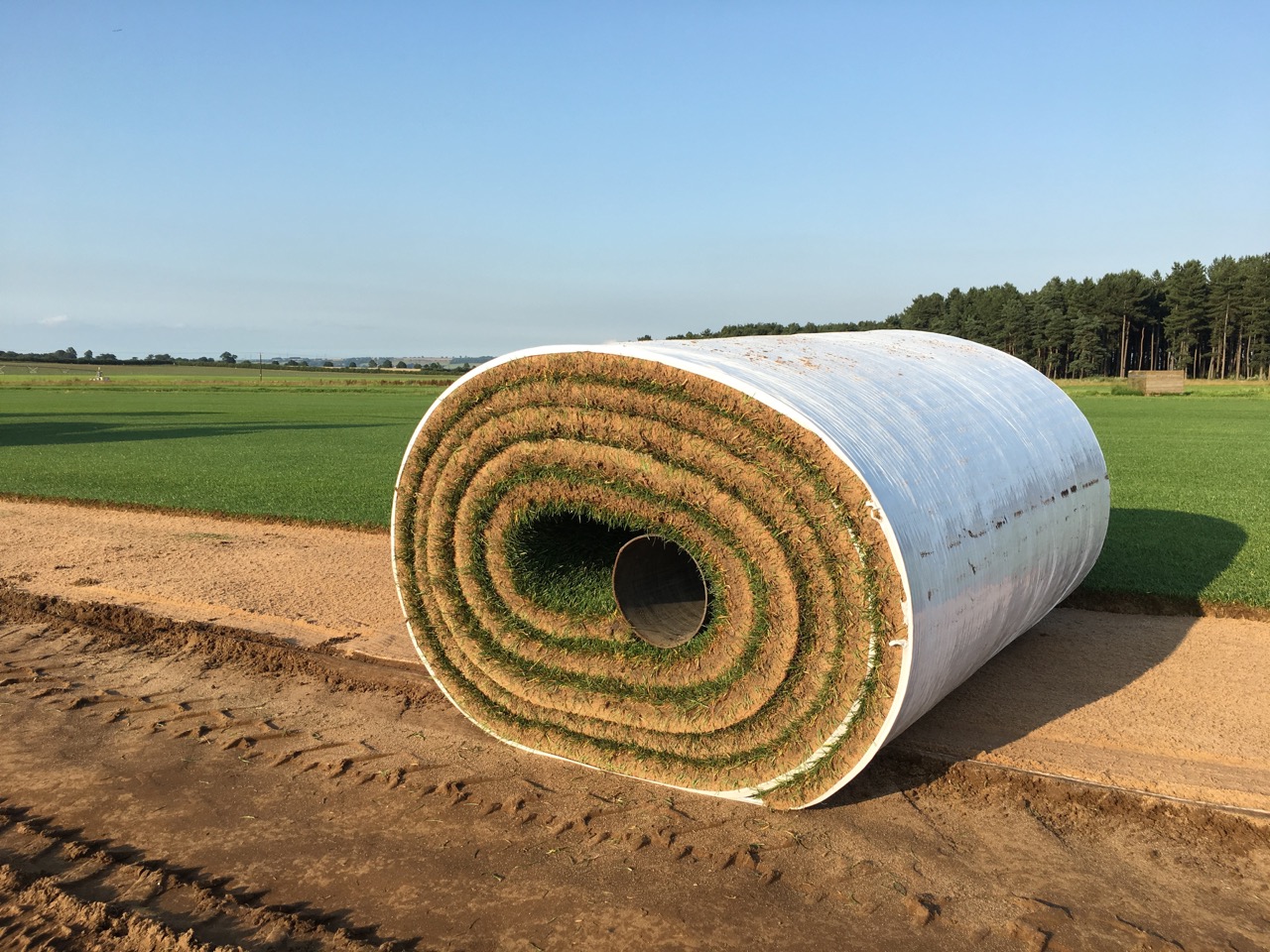
Hybrid turf systems combine natural grass with synthetic fibres integrated into the rootzone. The result is a surface that retains the playing characteristics of natural grass while offering improved durability and recovery under heavy use. They have become increasingly common at professional football, rugby and multi-sport venues.
County Turf is the UK and European license holder for HERO Hybrid Grass and Eclipse Stabilised Turf. We have supplied hybrid systems to clubs including Gloucester Rugby, Manchester City and Leicester Tigers. Here’s an overview of how hybrid turf works and why it is chosen for demanding sports applications.
The system involves a mat of synthetic fibres which is then seeded. The fibres then extend up through the rootzone and into the grass canopy. Natural grass grows around and between these fibres. The fibres provide support and stability, reducing divoting and wear in high-traffic areas such as goalmouths and centre circles.
Hybrid surfaces can withstand more matches and events than conventional grass pitches while maintaining good playing quality. They recover faster from damage and can extend the playing season. For clubs with intensive fixture schedules or shared stadia, hybrid turf can be a practical solution.
Hybrid systems require specialist installation. The rootzone is prepared, fibres are installed, and then turf or seed is established. Ongoing maintenance follows similar principles to natural grass—mowing, feeding, aeration—but with the added resilience of the fibre reinforcement.
For venues where natural grass alone would struggle under the demands of modern sport, hybrid turf offers a proven way to deliver a high-quality, durable playing surface.