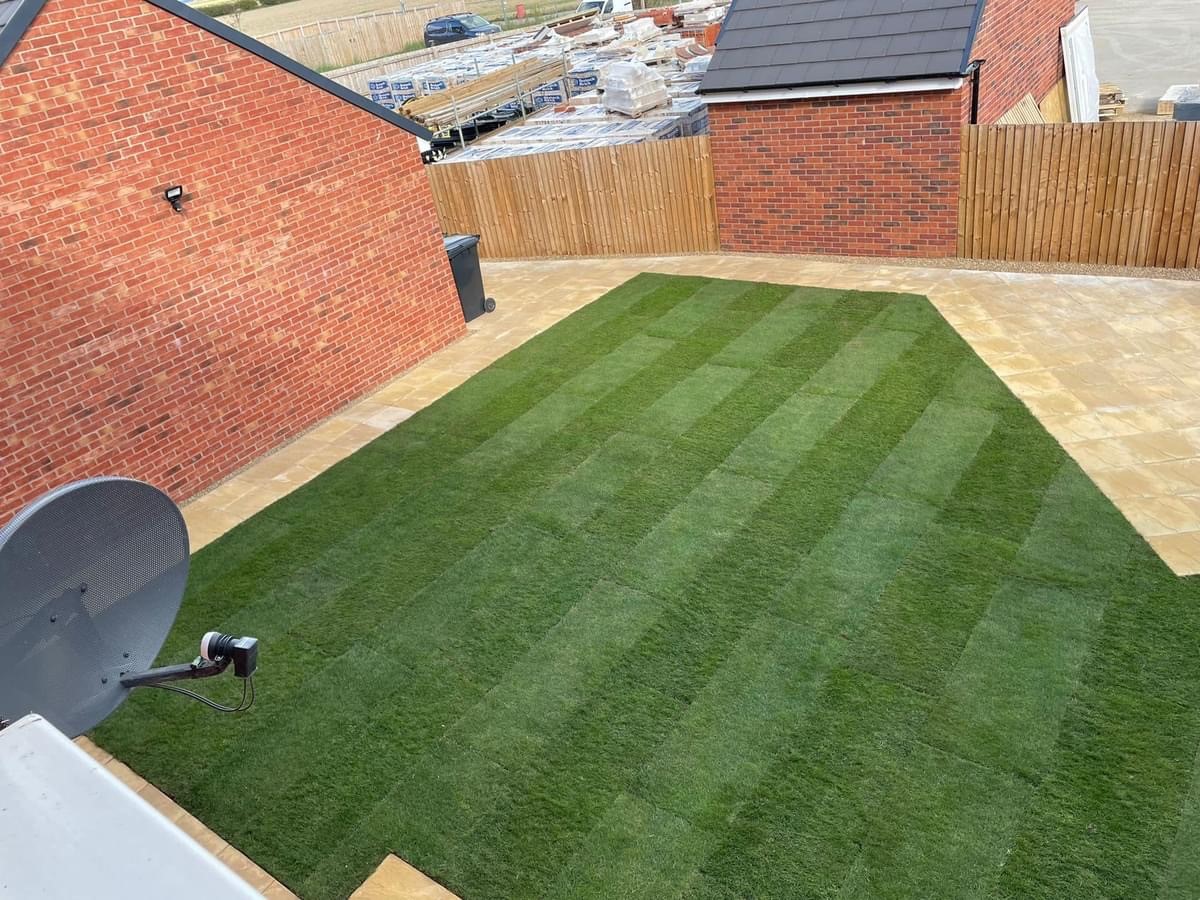
New turf can transform a garden, but laying it correctly is essential if you want it to establish, thrive and last. Many lawn problems can be traced back to installation errors. Whether you’re tackling a domestic project or a commercial site, avoiding these common mistakes will give you the best chance of success.
County Turf has supplied premium quality golf, sports and landscape turf since 1995. Here are the issues we see most often—and how to prevent them.
Poor ground preparation is one of the biggest causes of turf failure. A well-prepared surface supports healthy root establishment and helps the turf access water and nutrients. If the ground is compacted, uneven or nutrient-poor, you risk patchy growth, drainage issues and dieback in dry weather.
Clear away debris such as stones, roots and rubble. Assess your soil: heavy clay holds water and can suffocate roots; very sandy soil may lack nutrients and struggle to retain moisture. Aim for a crumbly, moist texture that breaks apart easily. Use quality topsoil to level dips and improve poor ground. A pre-turfing fertiliser gives new turf a strong start by supplying nutrients for early root development.
Ensure that your soil is free of contaminants as any pests/rouge plants that are left in your prepared area can still contaminate your new turf.
Investing time in preparation sets the standard for everything that follows.
Turf is a living product. Once harvested, it needs oxygen, moisture and light. Rolled and stacked on a pallet, airflow is reduced and deterioration begins. Leaving turf too long can cause heating and yellowing or browning.
Prepare your ground fully before delivery. Lay turf as soon as possible—ideally the same day. Never water or cover the pallet while turf is stacked. If delays are unavoidable, keep it in shade, break the pallet down for airflow, but remember that laying promptly is always best.
Gaps often appear when turf shrinks due to lack of moisture. Newly laid turf should be kept consistently moist, especially in the first few weeks. Without enough water, it dries, contracts and gaps open up, encouraging weeds and uneven growth.
Water as soon as the turf is laid and continue regularly, especially in warmer weather. Pay attention to edges, which dry out first. Press edges down firmly during installation and avoid walking on new turf until roots are established.
Installation is only the beginning. Consistent watering is essential—in hot weather, twice daily may be needed. Light drizzle may not penetrate; don’t assume rainfall is enough. Avoid overwatering, which can cause rot or fungal issues. Wait until the turf is well-rooted before mowing, and take only the top third off on the first cut. Minimise foot traffic in the early weeks.
With good preparation, timely laying and careful aftercare, your turf will have the best chance of establishing a healthy, long-lasting lawn.